Our Directors
World-class expertise in computing science, security, and interdisciplinary research
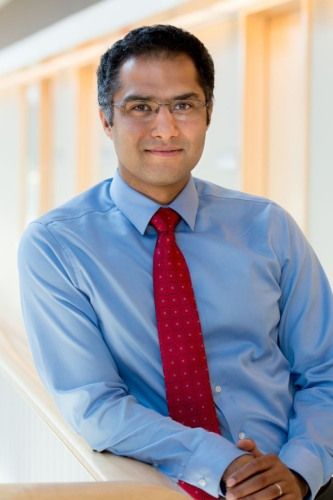
Atul Pokharel
Computer Scientist, Urban Planner & Mathematician
Atul lives at the intersection of cross-disciplinary research. He is a Computer Scientist, Urban Planner and Mathematician with a range of experience in academic settings. He was formerly an Assistant Professor of Urban Planning and Public Service at New York University, a consultant at the World Bank and co-founder of a 501(c)(3) education nonprofit among others. During his career, he has conducted research at MIT, Brown, Princeton, Yale and Harvard. He currently researches Sustainable Computing with a focus on Operating Systems and Networks. He is a recognized expert in human cooperation in the use and maintenance of shared infrastructure such as open source software and is the author of Beyond Collective Action Problems published by Oxford University Press.
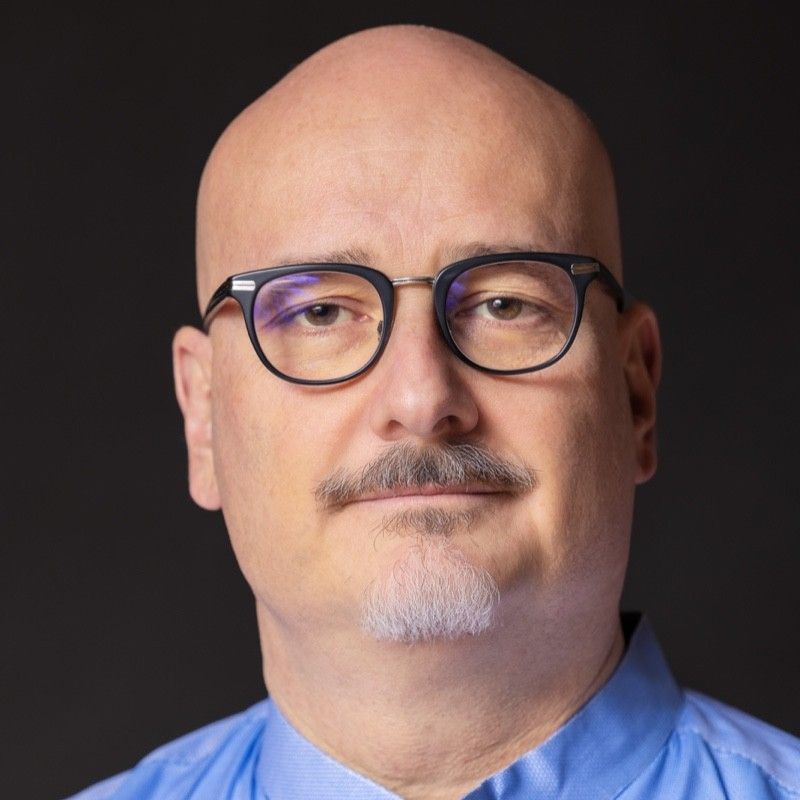
George V. Neville-Neil
Systems Engineer, "Kode Vicious" Columnist
George likes to say that he, "Works on networking and operating system code for fun and profit." Writing machine code, building hardware and teaching computing since his teens, his first paid programming gig was hacking DBase III code for an insurance company while still in High School. Standing firmly at the intersection of industry and academia and due to his top ranking in the development of open source software, George has worked on research projects with several leading Universities, including the University of Cambridge, University of California at Santa Cruz, and the University of Twente in the Netherlands. He has spent over 30 years producing commercial software for companies such as Wind River Systems, who, along with NASA, put a bit of his code on Mars with each successful landing there since the Pathfinder probe in 1997. He is the author of two leading books on operating systems, the latest co-authored with Marshall Kirk McKusick and Robert N. M. Watson of The Design and Implementation of the FreeBSD Operating System 2nd Ed. For over twenty years he has been the columnist better known as Kode Vicious, producing the most widely read column in both of ACM's premier flagship magazines, "Queue" and "Communications of the ACM". George has been a FreeBSD committer for nearly 20 years, and currently serves on the elected Core team which helps manage the overall project.
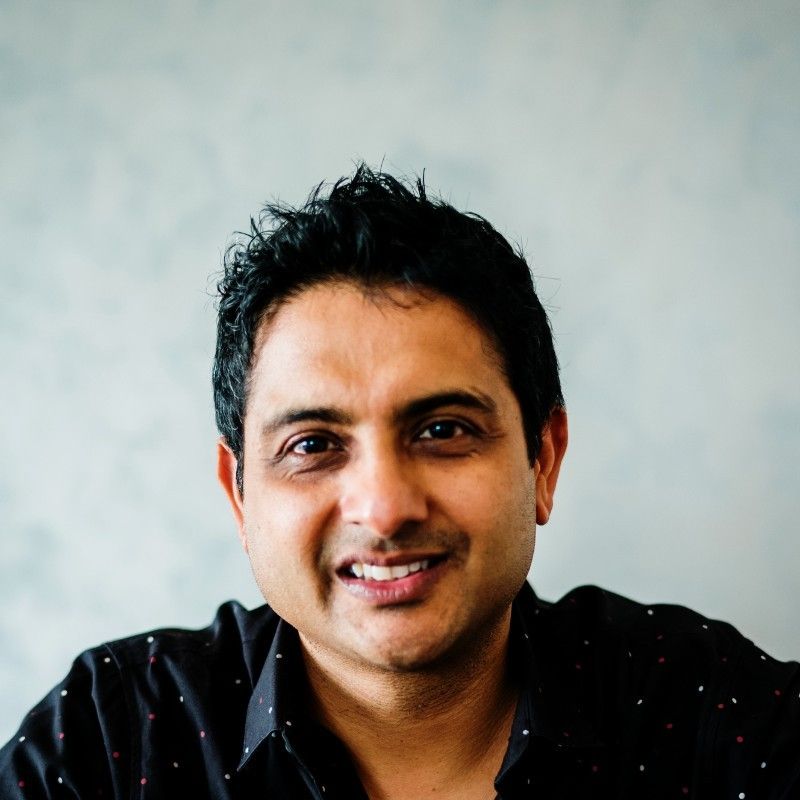
Prithvi Rai
Building AI-Native Data Security at Scale | Founder & CEO of Borneo (acquired by Atlassian)
Prithvi is a founder, operator, and repeat pre-IPO platform builder focused on enterprise AI, data security, and scaling platforms to global impact. His work centers on what enterprise trust must look like in an AI-first world — where software is increasingly autonomous and risk is systemic, not localized.
As Founder & CEO of Borneo, an AI-native data security platform acquired by Atlassian (May 2025), Prithvi is now at Atlassian relaunching Borneo as the Atlassian Guard Platform — building the control plane for how enterprises govern, protect, and scale AI systems. His mandate is clear: build a durable, category-defining platform that can scale to multi-billion-dollar ARR, with trust designed in at the core.
Prior to Borneo, Prithvi spent close to two decades in senior security and engineering leadership roles at Meta (Facebook), Uber, and Yahoo, including serving as Global Head of Security. His teams built security, privacy, and compliance infrastructure at global scale, supported IPOs, and navigated early challenges around data jurisdiction, localization, and regulation during complex cross-border transactions such as Yahoo–Alibaba China and Uber–Didi.
Prithvi also serves as a Board Member at the Home Team Science & Technology Agency (HTX), Government of Singapore, focused on applying technology as a force multiplier for national safety and security.
His current work centers on AI-driven systems, agent governance, and enterprise control planes — ensuring that as software becomes autonomous, trust, accountability, and safety are designed in from day one, not bolted on later.